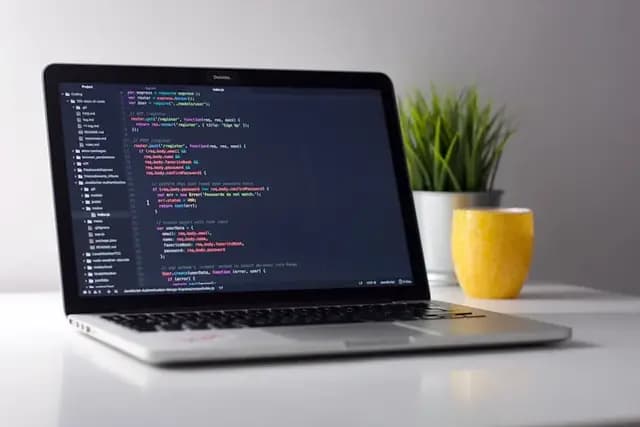
A Step-by-Step Guide to Becoming a Programmer

Code your way to success. Learn the steps to becoming a programmer and launch your coding career. Code and developers who drive the digital era live in every app, website, and software system we use daily. The demand for skilled programmers continues to grow, making it one of the most rewarding career paths in today's technology-driven world.
Whether you're a complete beginner or someone looking to switch careers, this step-by-step guide will help you navigate the journey from coding novice to professional programmer.
Step 1: Charting Your Course
Explore the Programming Landscape
Before diving into code, take time to understand the different areas of programming. Web development, mobile app development, data science, game development, embedded systems, and artificial intelligence each offer unique challenges and career opportunities. Research different fields to find one that aligns with your interests and goals.
Choose Your First Programming Language
Your first language should be beginner-friendly yet versatile enough to build real projects. Python is widely recommended for beginners due to its clean syntax and vast ecosystem. JavaScript is ideal if you're interested in web development. Other popular choices include Java, C#, and Swift, depending on your target platform.
Find Your Niche
As you learn more about programming, identify a specialization that excites you. Frontend development, backend engineering, full-stack development, DevOps, machine learning, and cybersecurity are just a few of the many paths available. Having a focus helps you build deeper expertise and stand out in the job market.
Choose Your Learning Style
Everyone learns differently. Online courses, coding bootcamps, university programs, books, and self-directed learning through documentation and tutorials each have their advantages. Consider your learning preferences, budget, and timeline when choosing your educational path.
Step 2: Building Your Foundation
Master the Fundamentals
Every programming career is built on a solid understanding of fundamentals. Focus on variables, data types, control structures, functions, object-oriented programming, data structures, and algorithms. These concepts are universal across programming languages and form the foundation for everything you'll build.
Set Up Your Development Platform
Choose and configure your development environment. Install a code editor like VS Code, set up version control with Git, and familiarize yourself with the command line. A well-configured development environment boosts productivity and prepares you for professional workflows.
Practice Consistently
Programming is a skill that improves with practice. Dedicate time each day to coding, even if it's just 30 minutes. Platforms like LeetCode, HackerRank, and Codewars offer coding challenges that help you sharpen your problem-solving skills and reinforce core concepts.
Step 3: Sharpen Your Skills
Build Small Projects
Start with small, manageable projects that apply what you've learned. Build a personal website, create a to-do app, or develop a simple calculator. These projects help solidify your understanding and give you tangible results to show for your efforts.
Increase Complexity
Gradually take on more complex projects that challenge you to learn new concepts and technologies. Build a full-stack web application, contribute to an open-source project, or develop a mobile app. Each project adds to your skill set and portfolio.
Showcase Your Work
Create a portfolio website and maintain an active GitHub profile. Showcase your best projects with clear descriptions, screenshots, and links to live demos. A strong portfolio is often more valuable than formal credentials when applying for programming positions.
Step 4: Landing Your First Job
Craft Your Resume
Tailor your resume to highlight relevant skills, projects, and any technical experience. Include links to your GitHub profile and portfolio website. Use clear, concise language and focus on demonstrating your problem-solving abilities and technical competence.
Prepare for Technical Interviews
Technical interviews typically include coding challenges, system design questions, and behavioral assessments. Practice solving algorithm problems, study common design patterns, and prepare to discuss your projects in detail. Mock interviews with peers or on platforms like Pramp can help build confidence.
Network and Connect
Join programming communities, attend meetups and conferences, and connect with other developers on LinkedIn and Twitter. Networking opens doors to opportunities that are never posted publicly and helps you learn from experienced professionals.
Conclusion
Becoming a programmer is a journey that requires dedication, continuous learning, and persistence. By following these steps, building a strong foundation, practicing consistently, and showcasing your work, you can launch a rewarding career in programming. The tech industry needs skilled developers more than ever, and with the right approach, you can become one of them.