Enhancing Patient Care through Technology
Exploring how technology is revolutionizing healthcare delivery, improving patient outcomes, and streamlining operations across the medical industry.
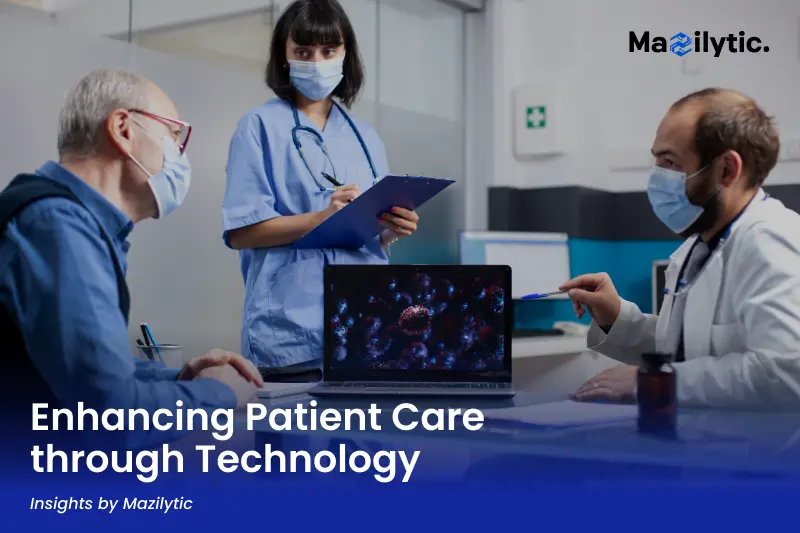
Healthcare requires a careful balance between delivering quality care and managing costs effectively. Technology has emerged as a pivotal force enabling improved patient outcomes and operational efficiency. However, strategic adoption remains essential to ensure that the right tools are deployed for maximum impact.
Technologies Beneficial for Patient Care
Technologies Requiring Caution
While technology offers immense potential, not all solutions deliver equal value in healthcare settings. Some technologies currently present more challenges than benefits:
- Overreliance on Chatbots: May lack contextual understanding for complex medical inquiries, risking symptom misinterpretation and delayed care
- Unregulated Mobile Health Apps: Often lack clinical validation, with variable efficacy and potential for misleading health information
- Blockchain in Medical Records: Currently lacks scalability and widespread adoption, with high costs and interoperability challenges
- Excessive Automation: Can depersonalize care and erode the essential patient-provider trust that drives positive outcomes
Challenges in Technology Adoption
Healthcare organizations face several significant hurdles when implementing new technologies. Data privacy and security remain paramount concerns, as cyberattacks pose significant risks to sensitive patient information. Interoperability issues between disparate systems create fragmented care delivery, while high implementation and maintenance costs burden smaller facilities. Additionally, resistance to change among providers and patients, driven by unfamiliarity with new tools, can slow adoption of beneficial technologies.
Future Directions
- Standardization of clinical regulations for all health technologies
- Enhanced training programs for healthcare professionals
- Human-centered design prioritizing patient and provider needs
- Development of scalable, cost-effective, interoperable solutions
Conclusion
Technology holds immense potential to transform patient care, but success requires thoughtful implementation aligned with healthcare goals. Strategic adoption of proven tools such as EHRs, telemedicine, and AI-powered diagnostics while carefully evaluating emerging solutions ensures better patient outcomes. The key is maintaining the balance between technological innovation and the human touch that remains at the heart of quality healthcare.