Empowering Learning with EdTech
Exploring how educational technology is reshaping the learning experience for students, teachers, and institutions worldwide.
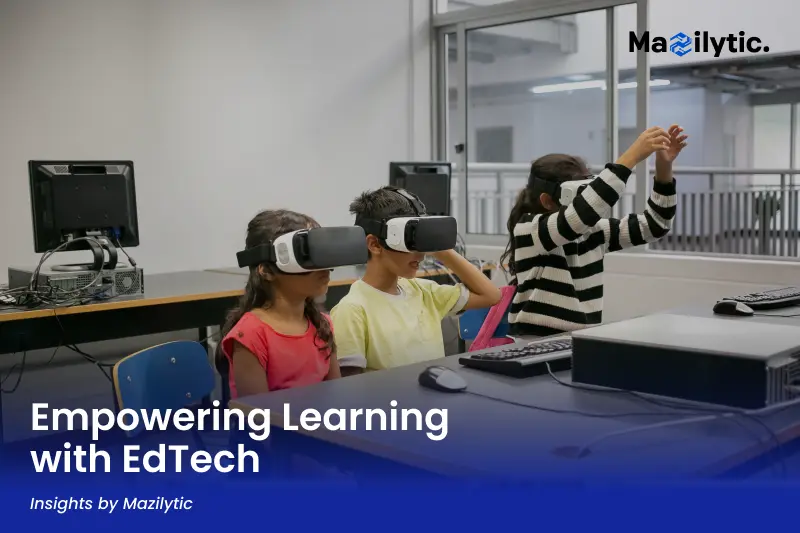
The education sector has witnessed an unprecedented transformation in recent years, with Educational Technology (EdTech) emerging as a pivotal force. From facilitating remote learning during the pandemic to fostering personalized education, EdTech has reshaped the learning experience for students, teachers, and institutions alike. This article analyzes EdTech's benefits, challenges, and the strategic approaches required to optimize its potential.
Benefits of EdTech
Challenges in EdTech Implementation
- Digital Divide: Despite its potential, EdTech can exacerbate inequalities where digital infrastructure is lacking, with limited internet access and device availability hindering adoption
- Data Privacy Concerns: The integration of EdTech raises concerns about data security and student privacy, requiring compliance with regulations like GDPR and COPPA
- Resistance to Change: Adapting to new technologies can be daunting for educators and institutions accustomed to traditional methods
- Quality Assurance: Not all EdTech tools deliver on their promises; evaluating efficacy and alignment with curriculum standards remains critical
Strategic Approaches for Effective Integration
- Policy Frameworks: Governments and institutions must establish clear policies for equitable access, standardization, and quality assurance
- Infrastructure Development: Investing in reliable internet connectivity, affordable devices, and robust digital infrastructure is crucial
- Teacher Training: Comprehensive professional development programs should equip educators with skills to leverage EdTech effectively
- Stakeholder Collaboration: Public-private partnerships can accelerate the deployment of scalable EdTech initiatives
- Continuous Evaluation: Regular feedback and performance assessments help refine EdTech tool design and implementation
Global Success Stories
Several platforms have demonstrated the transformative power of EdTech on a global scale. BYJU's in India combines video lessons, interactive quizzes, and AI-driven analytics to personalize learning for millions of students. Google Classroom, adopted worldwide during the pandemic, streamlined virtual learning by integrating assignments, grading, and communication. Duolingo's gamified approach to language learning exemplifies how EdTech can make education engaging and accessible to diverse audiences.
The Future of EdTech
Emerging technologies like blockchain, the metaverse, and quantum computing hold transformative potential for educational technology. Blockchain can enhance credential verification, while the metaverse promises immersive virtual classrooms. The convergence of these technologies will further blur the lines between traditional and digital learning environments, creating new possibilities for education worldwide.
Conclusion
EdTech is not merely a tool but a catalyst for educational innovation. Its potential to empower learning lies in its ability to adapt to diverse needs, foster inclusivity, and create engaging experiences. By addressing challenges through strategic policy frameworks, infrastructure investment, and continuous evaluation, the education sector can harness EdTech to build a future where quality education is accessible to all.